
Make It Easier to Start and Run a Small Business in Sri Lanka
Sri Lanka needs more entrepreneurs, small businesses and private-sector jobs. However, starting a legitimate business can feel unnecessarily confusing, especially for someone doing it for the first time.
Business registration in Sri Lanka is not one single process. The steps depend on whether someone operates as an individual business, partnership or limited company. Companies can be incorporated online through the Registrar of Companies’ eROC system, while individual businesses and partnerships may need to register their business names through the relevant Divisional Secretariat.
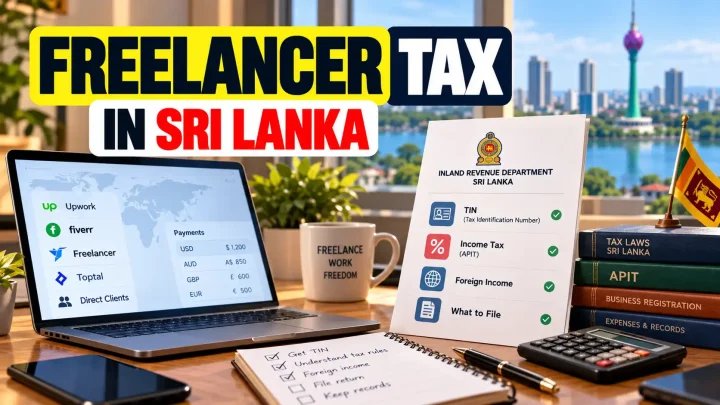
Registration is only the beginning. A business may then need a Taxpayer Identification Number and registration for the relevant tax types through the Inland Revenue Department. Depending on its activities and location, it may also require a trade licence from the local authority. When employees are hired, the employer must handle matters such as EPF registration and ongoing contributions.
These requirements are not necessarily unreasonable. Tax registration, employee protection, public health inspections and environmental licences all serve legitimate purposes. The real problem is that the process is divided among different institutions, websites, forms and offices.
A first-time owner may not know which registrations apply, which must be completed first, what the official fees are or whether a licence must be renewed annually. Some local authorities also require premises documents, building approvals and inspections before issuing trade licences. This creates delays and makes informal operation appear easier than proper compliance.
One practical option is to use a reputable company-registration service or registered company secretary when incorporating a limited company. This is not simply an unnecessary middleman: under Sri Lanka’s Companies Act, a company must have a secretary at all times. A competent secretary can assist with incorporation documents and continuing company filings. However, paying someone to register the company does not remove the owner’s responsibility for taxes, licences, accounting and employee obligations.
Sri Lanka should create a genuine “Start My Business” service. An entrepreneur should answer a few questions about the business type, location, employees and activities, and then receive one clear checklist covering registration, taxes, licences, documents, fees and deadlines.
Government institutions should reuse information already submitted instead of repeatedly asking for the same identity, address and company documents. The system should also provide reminders for annual returns, tax filings and licence renewals.
The World Bank’s latest reform support for Sri Lanka also identifies improving the investment climate and competitiveness as essential for private-sector growth and job creation.
Making business compliance easier does not mean removing important protections. It means helping honest businesses become formal, remain compliant and spend more time serving customers instead of navigating government procedures.



Discuss this idea
Be the first to share your view.